
Every spec, every material, one source of truth.
Specification data management on Salesforce, implemented by a partner who knows both layers.

Watch
Implementing Specright the right way: Spec Summit 2026 (George Ayub)
George Ayub's Spec Summit 2026 session on implementing Specright the right way.
38:38 on the Micronetbd channel
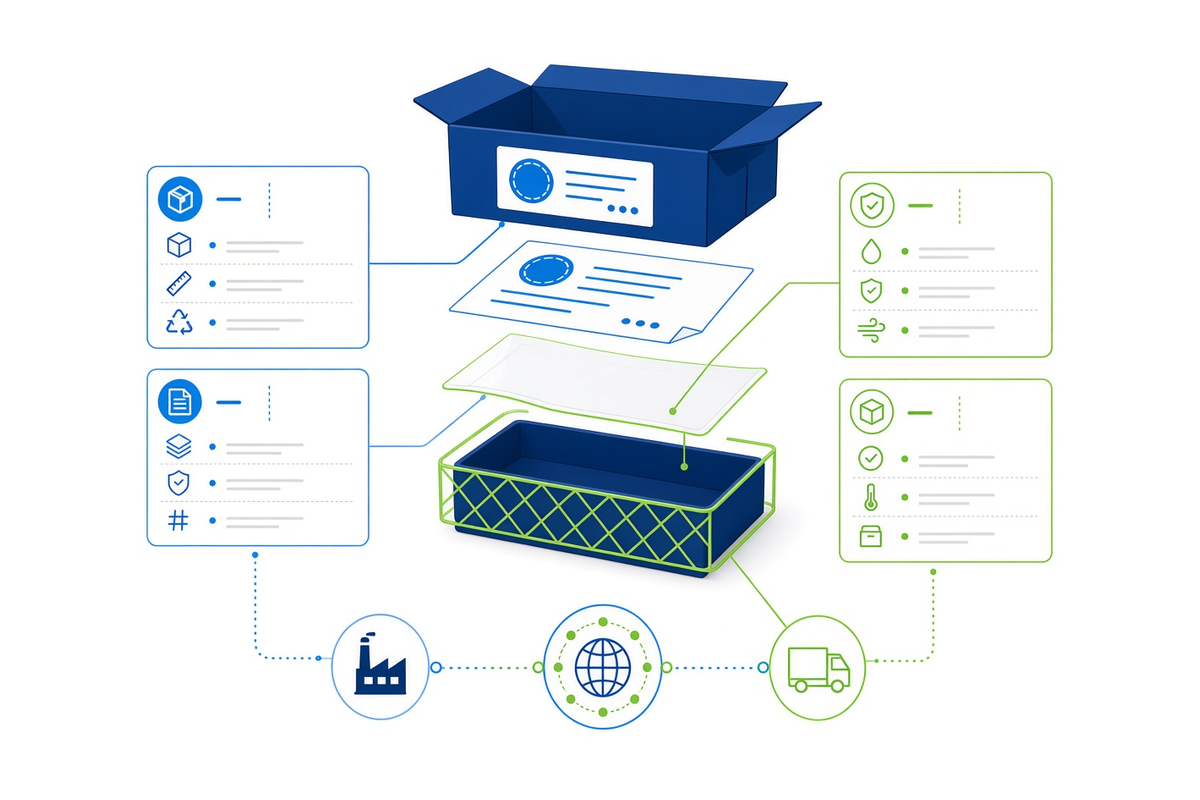
More videos on this pageEvery layer, its attributes and its supplier
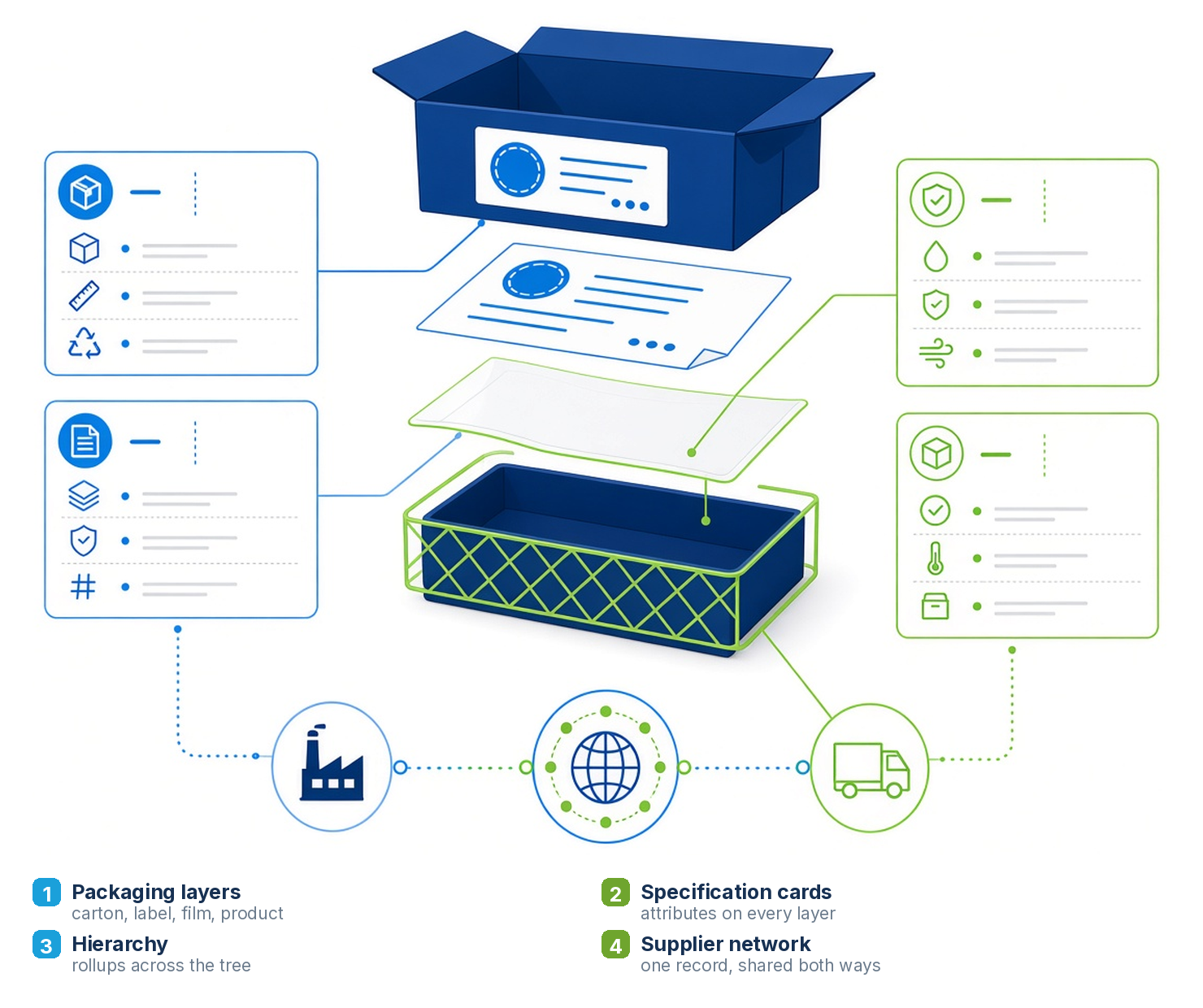
Six parts of a working spec program
Requirements and BRDs
Workshops and a written business requirements document, signed off before the build.
Configuration
Objects, fields, formulas, record types, layouts and Lightning pages.
Rollups and hierarchy
Rollup field settings and visual hierarchy, so data adds up across the tree.
Permissions
Per-object read, create and edit, and delete permission sets, with field level security.
Data migration
Specs, materials, BOMs and supplier data out of spreadsheets and legacy systems.
Integrations and exports
ERP and PLM connections, BOM exports and the reports your team needs.
From spreadsheets to specifications
The spec usually exists already. It is just scattered.
Audit, design, build, adopt
We start with a two-week audit, so the build is priced against what is really there.
Audit
Current org, current data and the gaps, documented in two weeks.
Design
A business requirements document your team approves before configuration.
Build
Configured, migrated and tested in a sandbox with your own specs.
Adopt
Training, go-live, then monthly enhancements on a subscription.
What we configure
The objects and settings that decide whether a Specright org is usable a year later.
Specification model
Platform layer
Why spec programs stall
The platform is rarely the problem. The model underneath it is.
What we walk into
- Specs still maintained in parallel spreadsheets
- Hierarchy built once, never rolled up, so reporting is manual
- Everyone has full edit rights, so history is unreliable
- Supplier data typed in twice, once in ERP and once here
- No owner after go-live, so the org drifts
What we put in place
- One specification record both sides work from
- Rollup field settings and visual hierarchy configured properly
- Per-object permission sets with field level security
- Integrations to ERP and PLM instead of double entry
- A named consultant and monthly enhancements
From the spec data practice
What we run into on consolidation, compliance reporting and supplier data work.
EPR reporting turned packaging data into a filing requirement
Seven states took producer reports this year. All of them ask the same questions of your spec data.
Read the articleMerging two specification orgs without losing the compliance record
The packaging hierarchy, the picklists and the archive rules are where a consolidation loses time.
Read the articleThe supplier ingredient request is where product development stalls
What changes when the request becomes a record, and the silent automation failure that costs weeks.
Read the articleFour spec data automations that pay for themselves in a month
Component naming, pallet hi and load cube, unit conversion and the export somebody rebuilds by hand.
Read the articleOrg consolidation, automations and the second phase
The Specright work that comes after go-live, and the work that comes when two spec programs have to become one.
Org consolidation
Two Specright orgs after an acquisition, or one org that grew two ways: we map both spec hierarchies, merge materials and suppliers without losing the compliance record, and cut over on a reconciled load.
Supplier ingredient requests
Supplier portals, request templates and approval flows so product development stops waiting on an email thread for the next ingredient spec.
Spec data automations
Rollups, validation rules, approval routing and scheduled exports: the four automations that pay for themselves in a month, built into the org rather than run by hand.
EPR and compliance reporting
Packaging data structured so extended producer responsibility filings and customer compliance requests come out of Specright, not out of a spreadsheet rebuilt every quarter.
ERP and PLM integration
Specs, materials and BOMs kept in step with the ERP or PLM your plants already run, with the export formats they expect.
Managed Specright admin
A named administrator on the same flat monthly retainer we run for Salesforce, Litify, Filevine and DocuSign clients, for the changes a spec program keeps needing.
Specright implementation questions, answered
Is Micronetbd a Specright implementation partner?
Yes. Micronetbd is a Specright implementation partner and a Salesforce consulting partner since 2012, which matters because Specright runs on the Salesforce platform: the configuration, permissions, automation and integration work is Salesforce work, done by a team that has done it for fourteen years. George Ayub presented on implementing Specright the right way at Spec Summit 2026, where Micronetbd was a Diamond Sponsor.
What does a Specright implementation include?
Requirements workshops and a written business requirements document, configuration of spec families, materials, formulas, packaging and supplier objects, rollups and hierarchy, permission sets and field level security, data migration out of spreadsheets and legacy systems, integrations and exports, and adoption support. Each phase is signed off before the next starts.
Can you consolidate two Specright orgs?
Yes. We map both spec hierarchies, decide the surviving structure with your quality and product teams, merge materials and suppliers, keep the compliance history intact and cut over on a reconciled load your team signs off.
How long does it take?
It depends on how many spec families you run and where the data lives today. The audit comes first and produces a written scope with a fixed price and a timeline, so you know both before the build starts.
Which industries do you work with on Specright?
Food and beverage, consumer packaged goods, packaging, personal care and industrial manufacturing: companies whose specs currently live in workbooks, email attachments, PLM exports and supplier PDFs.
Do you support the org after go-live?
Yes. Managed services gives you a named Specright administrator on a flat monthly retainer with a ticket queue, monitoring, training, monthly enhancements and release reviews.
After go-live: Specright, administered
A named Specright administrator on the same flat monthly retainer we run for Salesforce, Litify, Filevine and DocuSign CLM clients: managed services.
Watch: Spec Summit 2026
George Ayub's session on implementing Specright the right way, and the Micronetbd team on the floor as Diamond Sponsor.


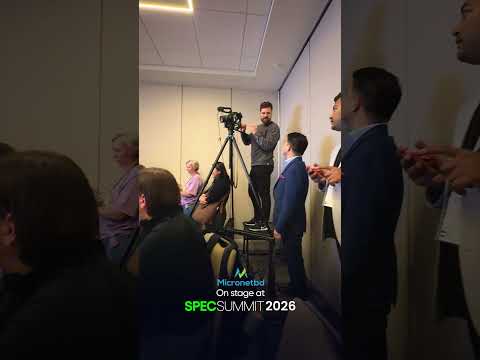
More on the Micronetbd YouTube channel.
Send us one product spec
One real spec and how your team maintains it today tells us most of what a build would take.